
Lexington Meets The World: The Train Depot
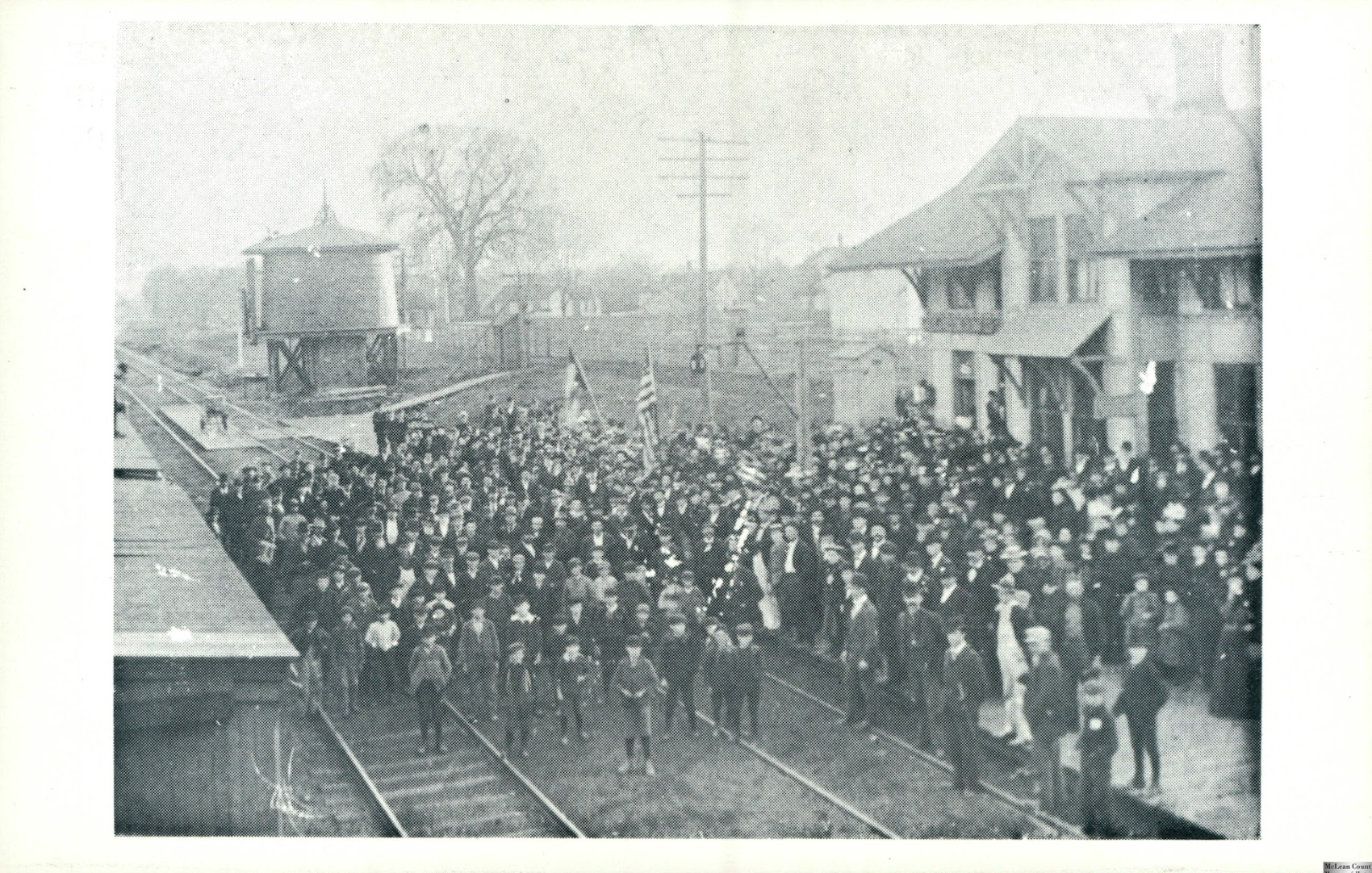
Train Depot 600 West Main Street, Teddy Roosevelt Whistle-Stop Tour, Lexington, Illinois, 1903, Source: McLean County Museum of History
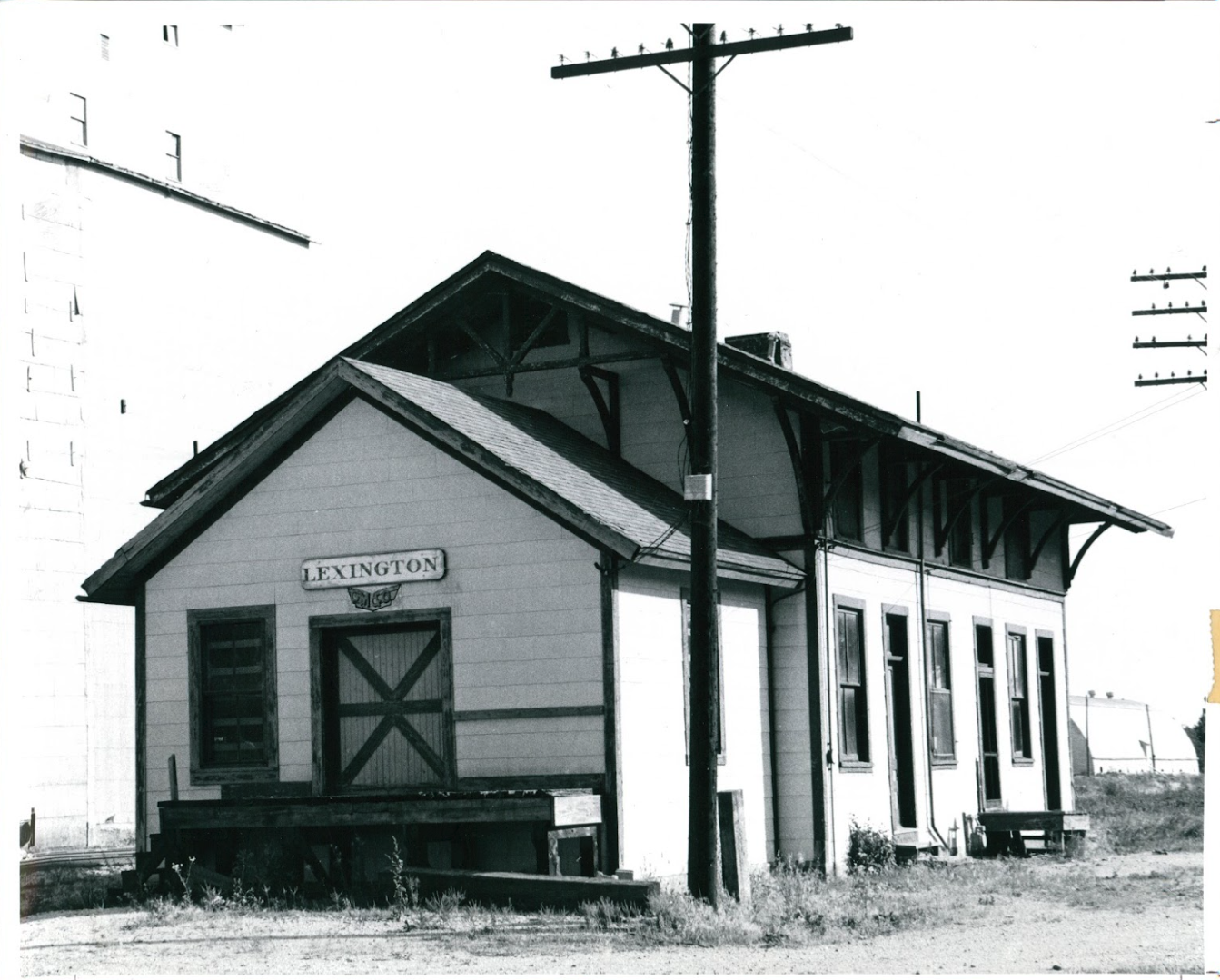
Train Depot 600 West Main Street, Lexington, Illinois, circa 1980s
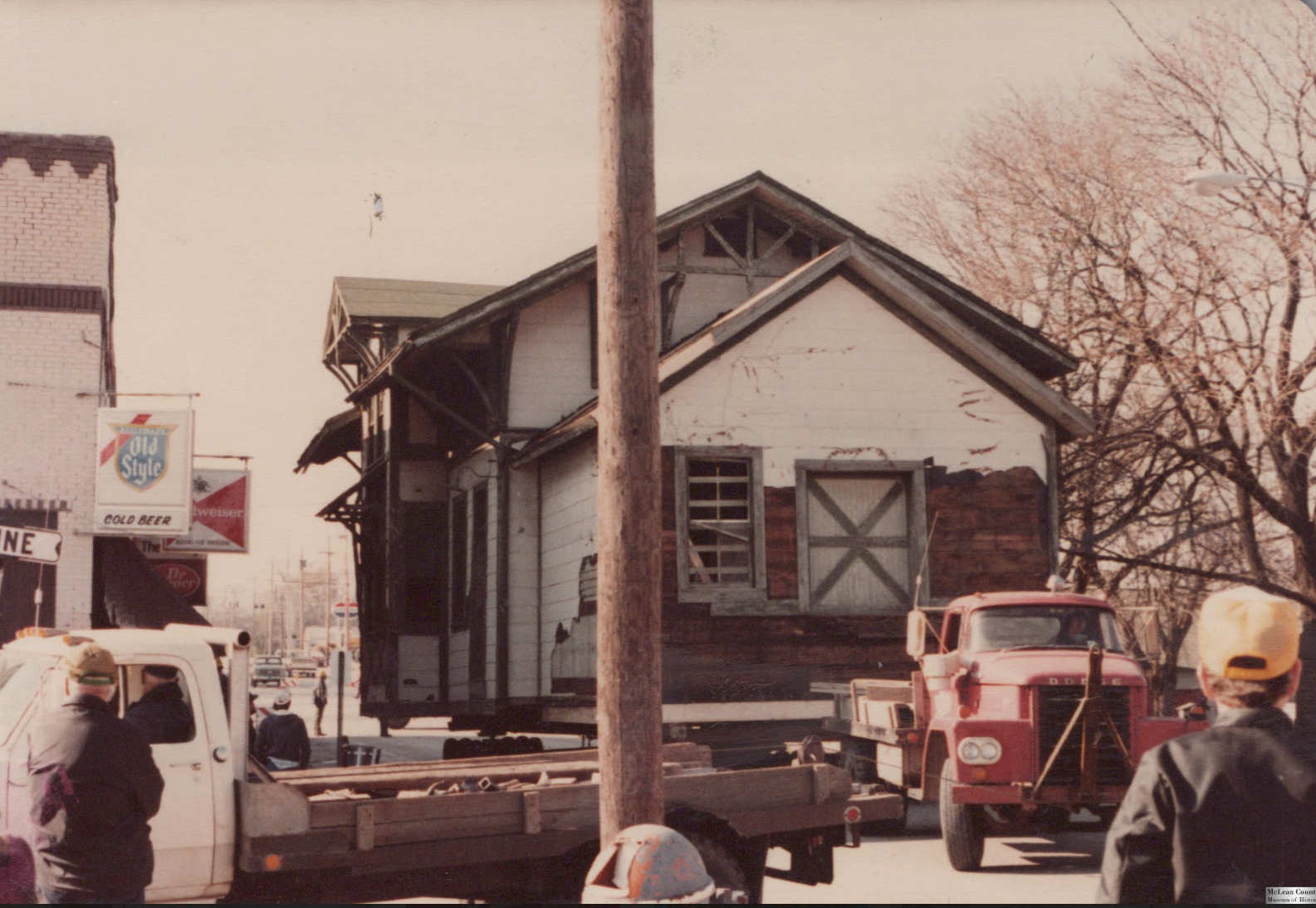
The Train Depot Moved to Current Location, Circa: 1981, Source: McLean County Museum of History
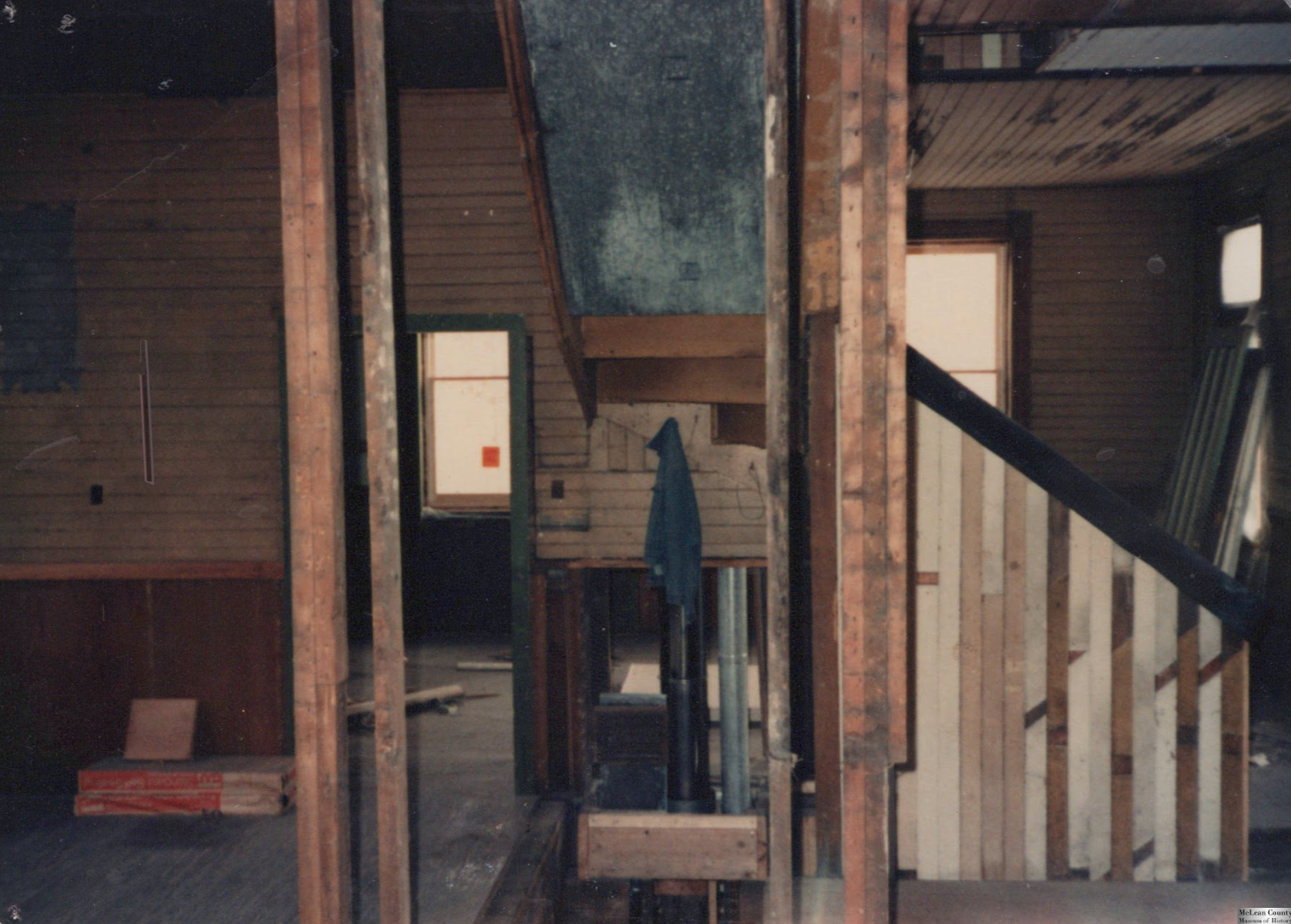
Train Depot renovation, Lexington, Illinois, circa 1980s, Source: McLean County Museum of History
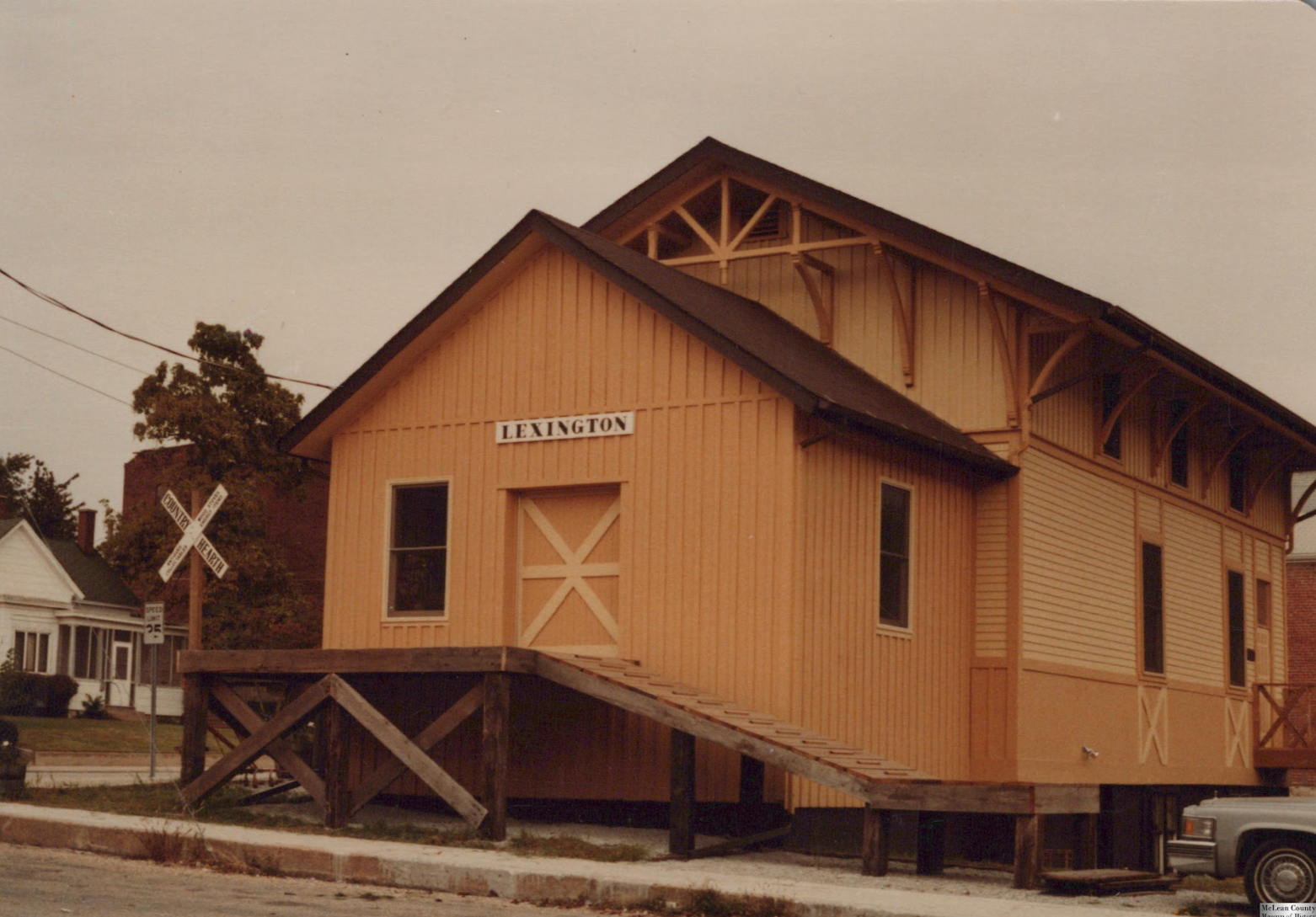
Train Depot after relocation and renovation, Lexington, Illinois, circa 1980, Source: McLean County Museum of History
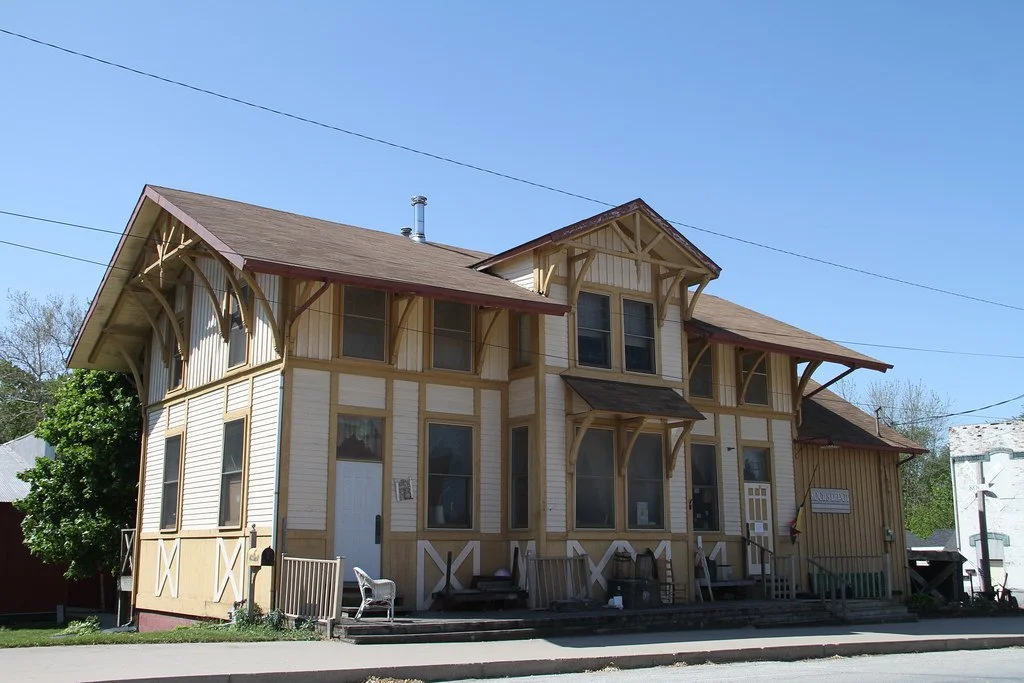
The Train Depot in 2011, source: condrenrails.com
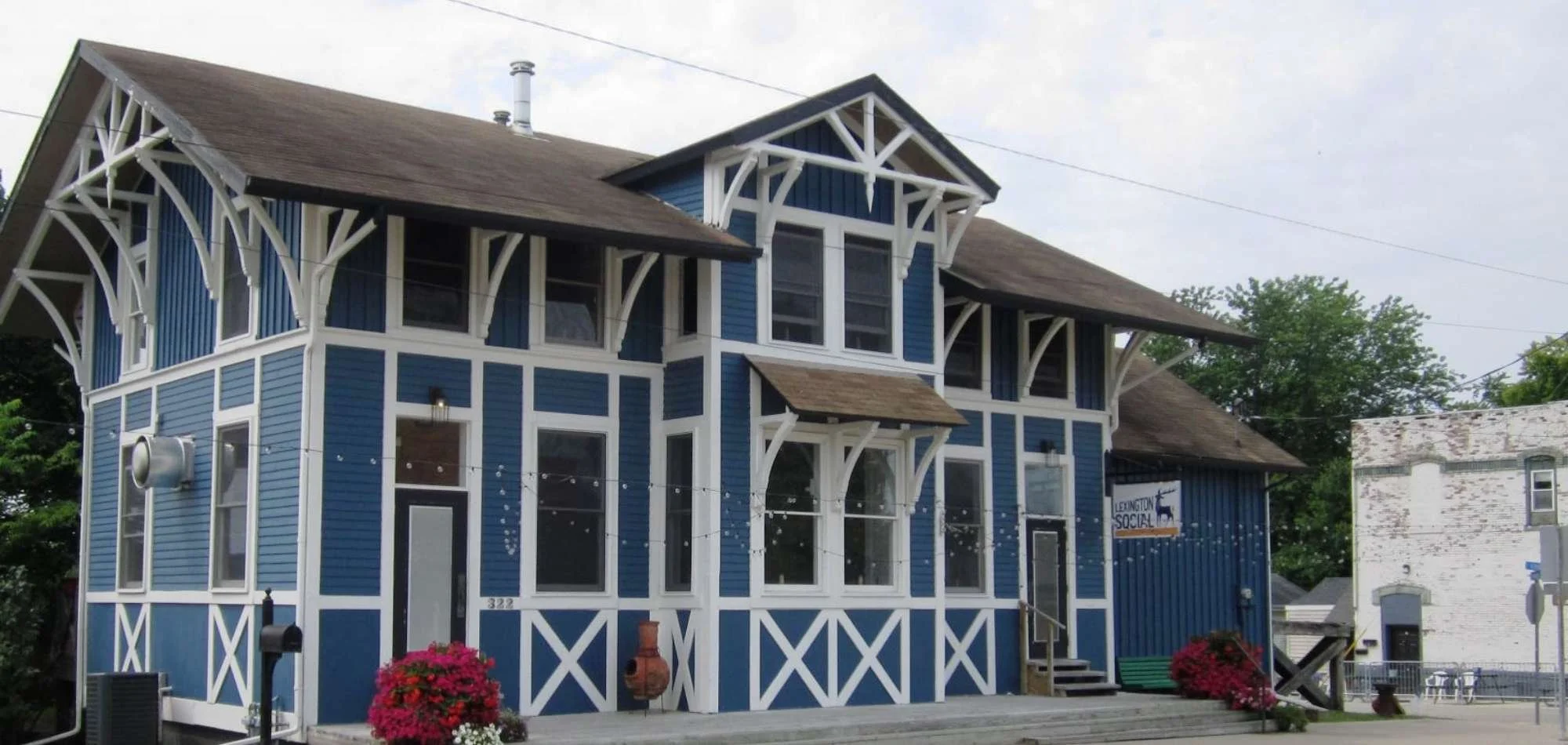
Lexington Social, Currently operating in the Lexington Train Depot
The Train Depot (Lexington Social), Circa 2025
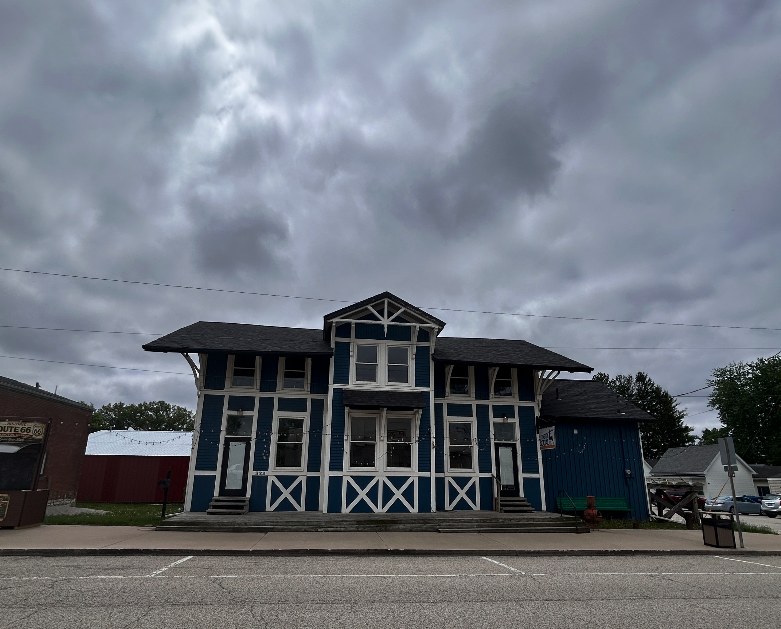
Lexington Social, Circa April 2026, Source: Nicholas Rynerson
Lexington Meets the World: The Train Depot
322 West Main Street • Built 1888 • Lexington, Illinois
For most of the nineteenth century, if Lexington wanted to interact with the wider world, it did so at the Train Depot. Letters, newspapers, and strangers arrived there first. Grain and livestock left from it. Soldiers said their goodbyes on the platform. The depot was the town's threshold, the place where locals and the wider world came and went every time a train rolled through.
The story of the Train Depot begins, improbably enough, with a grain elevator.
The Original Train Depot
In 1854, two Lexington businessmen named Thomas Kincaid and S.H. Dexter built a grain warehouse on the east side of the railroad right-of-way. It was a small, practical structure for a town still finding its footing on the central Illinois prairie. But when the Chicago and Alton Railroad reached Lexington that same year, fittingly on the Fourth of July, Kincaid and Dexter's warehouse became the town's first depot. S.H. Dexter himself became the railroad's first station agent.
The railroad purchased the building from Kincaid and Dexter in 1856. As the railroad's needs grew, they repositioned it, for the first time. It was moved from the east side of the tracks to the west, and from the north side of Main Street to the south. Trains were soon making five stops a day in Lexington, carrying passengers, mail, grain, and, likely, the occasional bottle of liquor quietly slipped into town by passengers who knew that Lexington was, for many years, a strictly dry community.
Station Agents: Local Celebrities
A rotating cast of station agents kept the place running through those early decades; Herbert Kettle, R.H. McLean, A.N. Day, A.J. Dawson, J.H. Bridge, to name a few. Each agent was Lexington's primary connection to the wider world. The station agent was a local celebrity. They decided how to run their station, were the first people to greet newcomers, and often served as a primary source of news coming and going from the railroad each day. Think of the station agent as part radio DJ, part bartender, part flight attendant. From the Depot, the station agent managed the flow of commerce and correspondence that moved through Lexington daily. When the last station agent Everett Price retired, the station closed for good within a few short years.
The Fire of 1888
On a Friday afternoon in May of 1888, around 5pm, the original depot building met a sudden and dramatic end.
According to a report in the Lexington newspaper on May 4th of 1888, the baggageman Henry Popejoy was in the baggage room filling and cleaning the office lamps when one of them exploded. The floor of the baggage room was well-saturated with oil. In an instant, the room was nearly filled with flames. Popejoy made a hurried exit, fortunately uninjured, and the fire alarm went up across town.
Citizens turned out in force to fight the blaze, but there was no saving the building. It was soon enveloped in flames. The city's calaboose (a small local jail) standing nearby burned as well. Bystanders worked furiously to keep the fire from spreading. And while the railroad's most important books and papers were rescued from the building, the structure itself was gone.
A newspaper report noted that the depot "was fully insured and the real loss to the railroad company will be light." By the following morning a small temporary frame building had already been thrown up across the street to serve as a makeshift depot office. Construction on a permanent replacement began almost immediately, this time on the east side of the tracks.
That new building was completed in 1888, and is the same structure that stands at 322 West Main Street today.
The President Who Wouldn't Get Off the Train
For the first half of the twentieth century, the rebuilt depot served as Lexington's front door to the nation. And no arrival generated more excitement and confusion than the visit of President Theodore Roosevelt in 1904.
The occasion had been organized as a proper civic event. Bleacher seats were erected at the city park. Tickets were sold. Thousands of citizens made plans to attend. But when Roosevelt's train stopped at the Lexington depot, the President declined to leave it. Instead of riding to the park to address the assembled crowd, he stepped out onto the rear observation platform and spoke a few brief words to the small cluster of townspeople gathered at the tracks. Those who couldn't afford a park ticket, or who simply had the good fortune to already be at the station.
By the time the word reached the ticketholders at the park and they came running, it was too late. All they caught was Roosevelt's wave goodbye as the train pulled away from the Lexington depot. It remains an oft-repeated local anecdote: a presidential visit that was simultaneously a grand occasion and, for most of the people who planned on attending, a huge disappointment.
The Last Train, and What Came After
Through the first half of the twentieth century, the depot continued its work without fanfare. Farmers shipped grain. Families received packages. Young men left for two world wars from its platform. But the forces that built the depot were slowly giving way to new ones. Automobiles grew reliable and affordable, and the old stagecoach road through Lexington became Route 66 in 1926, drawing travelers who no longer needed the railroad.
In the fall of 1946, all passenger train service through Lexington was discontinued. The depot lingered on as a freight and service stop for a few more decades, but its era was passing. In 1973, the last station agent Everett Price died, and the station closed for good. For years the old building sat beside the tracks as trains continued to roll by.
Ideas circulated about what might be done with it. Verda Gerwick, founder of The FORT dreamed as early as 1976 of moving the depot to a city-donated property near the park, west of Cherry Street. The costs of moving and restoration made it impossible at the time.
The building found its rescuers in November of 1981, when Don and Shirley Clemmens and their daughter Terry moved it to its present location on Main Street and opened Country Hearth, an antique and wood stove business that ran for ten years. They added a large building to the south for additional retail and storage space — a footprint that would serve future owners as well.
In August 1992, Ralph and Linda Lehmann and John and Rita Hensley purchased the business, broadening the offerings with unique gifts alongside the stoves and antiques. The building then passed to Charles and Sandra Koch; Charles was a retiree who needed "something to keep him busy." The Kochs continued selling stoves, antiques, and gifts, and converted the south building into an auction house with popular Friday-night auctions that drew regular crowds for years before they sold in 2013.
Restoration and Reinvention at 322 West Main Street
In 2014 Walker and Katie Adams purchased the building and undertook an ambitious and thorough restoration of the Train Depot. They added central heating, updated electrical systems throughout, and painstakingly honored the original architecture. The restored depot became their home (upstairs) and floral business called Platform 322 (downstairs). A new navy blue and white color scheme on the exterior made it one of the most distinctive buildings on Main Street.
When the Adams family relocated to Florida in 2018, the depot was purchased to central Illinois chef Jon Fritzen, already a familiar central Illinois presence through his double-decker English bus food truck, 2 Blokes and a Bus. Lexington Social opened for business in 2020, in the middle of the COVID-19 pandemic. Despite early challenges from the world shutting down, Jon Fritzen and his team at Lexington Social transformed the old station into a unique, upscale dining experience built around sourcing high-quality local ingredients, a creative seasonal menu, and a unique hospitality experience. The depot, which had once been the place where Lexington received the outside world, had become a destination worth traveling to.
Today, Lexington Social continues to serve local cuisine, artisan cocktails, and fine wine. Upstairs, a seasonal bookshop occasionally sells used and local books in a building that has witnessed more history than most.
The depot at 322 West Main Street has been, across its long life, a grain warehouse, a railroad station, an antique shop, an auction house, a home, a flower shop, a bookshop, and a restaurant. It has survived a catastrophic fire, decades of neglect, and the slow fade of the railroad age that created it. Through all of it, the building has remained what it always was at its best: a place where Lexington meets the world, and where the world, on a good day, takes note of Lexington in return.
Lexington Train Depot Station Agents: 1854 - 1973
S.H. Dexter
Herbert Kettle
R.H. McLean
A.N. Day
A.J. Dawson
J.H. Bridge
Thomas Doonan
Everett L. Price (last agent, d. 1973)
Train Depot 600 West Main Street, Teddy Roosevelt Whistle-Stop Tour, Lexington, Illinois, 1903, Source: McLean County Museum of History
Train Depot 600 West Main Street, Lexington, Illinois, circa 1980s
The Train Depot Moved to Current Location, Circa: 1981, Source: McLean County Museum of History
Train Depot renovation, Lexington, Illinois, circa 1980s, Source: McLean County Museum of History
Train Depot after relocation and renovation, Lexington, Illinois, circa 1980, Source: McLean County Museum of History
The Train Depot in 2011, source: condrenrails.com
The Train Depot (Lexington Social), Circa 2025
Lexington Social, Circa April 2026, Source: Nicholas Rynerson
All Lexington History Project articles were written and edited by Nicholas Rynerson and Elizabeth MacPhail, with research and editorial contributions from THE FORT Historical and Genealogical Society in Lexington, Illinois.
A Note on Citations: All non-cited facts, dates, and addresses were provided from the archives of THE FORT Historical and Genealogical Society in Lexington, Illinois. For any additional information on specific town history, email THE FORT at thefortoflex@aol.com. For any suggested chronological changes regarding the information in this article please email nick@bolt-cutter.com.
Like this article? Download a PDF
Find All the Articles Around Town
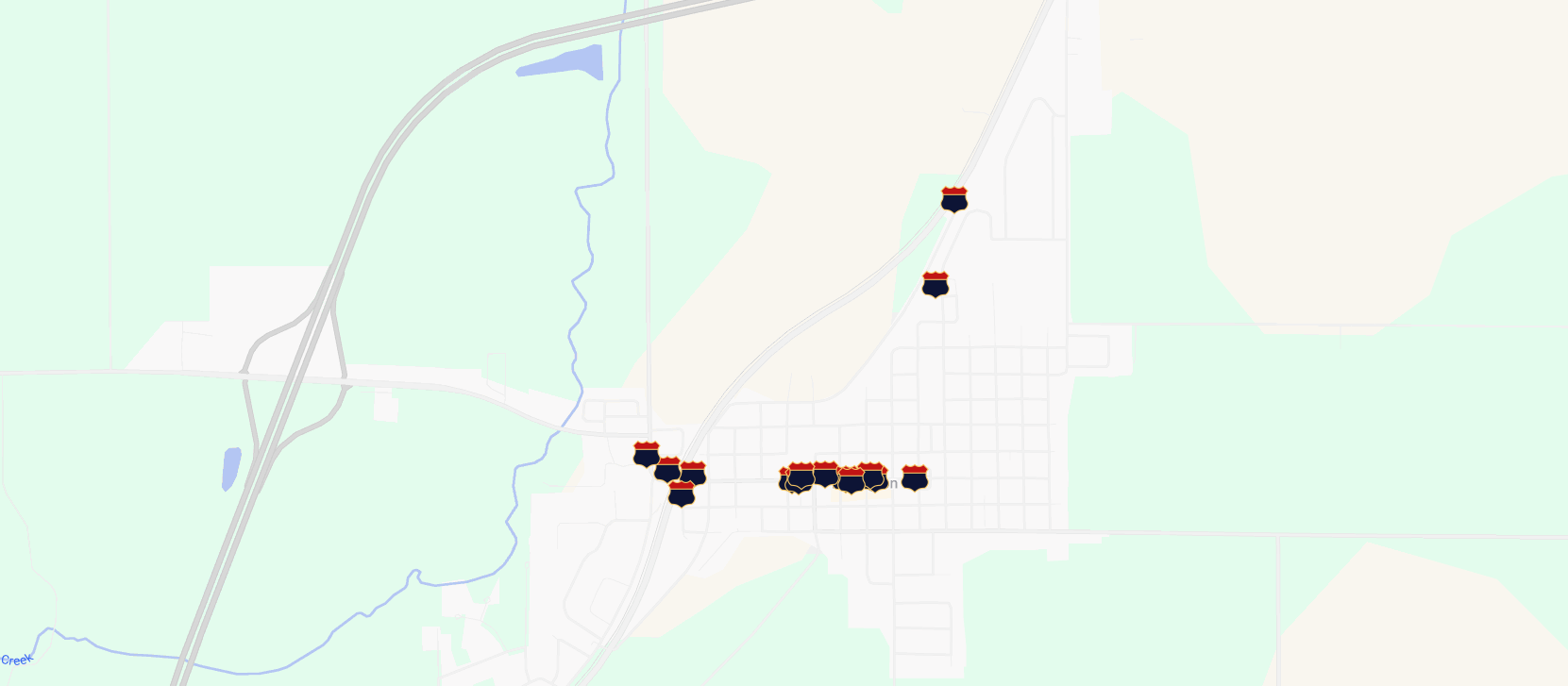
Click through the custom Google Map below to find all of the Lexington History Project signs and articles placed around town.